

Related articles
Read more

The Timeless Elegance of the Chignon: A Hairstyle That Never Fade
Few hairstyles can claim to be as timeless, sophisticated, and versatile as the chignon. From royal events to red-carpet moments, the chignon has gracefully transcended trends and generations, remaining a symbol of elegance and femininity. Whether worn sleek and polished or soft and romantic, this classic updo continues to captivate women around the world.
The word “chignon” comes from the French phrase “chignon du cou”, meaning “nape of the neck.” This style dates back to ancient Greece, where women often tied their hair low at the back and decorated it with ribbons, pearls, or gold pins. Throughout history, the chignon evolved—from the structured buns of the Victorian era to the minimalist, modern versions we see today.
Its long history is a testament to its beauty and adaptability. Every era has given the chignon a new life, yet its essence—grace, simplicity, and poise—has remained unchanged.
The chignon is often associated with elegance and maturity. It’s a style that conveys confidence without trying too hard. Whether a ballerina on stage or a bride walking down the aisle, the chignon frames the face with natural sophistication. It doesn’t scream for attention; instead, it whispers beauty through balance and refinement.
The beauty of the chignon lies in its universal appeal. It suits almost every face shape, complements any outfit, and can be customized for every occasion—from a casual brunch to a formal evening gala.
Creating a chignon requires both technique and creativity. While the base idea is simple—gathering the hair into a low bun at the nape—the execution can vary widely:
Each variation allows hairstylists to express creativity while maintaining the chignon’s core elegance. The key to perfection lies in balance—not too tight, not too loose—and in choosing the right finishing products to ensure shine and hold.
Fashion changes fast, but the chignon remains a constant presence. Its longevity can be attributed to a few key reasons:
Celebrities like Audrey Hepburn, Grace Kelly, Meghan Markle, and Zendaya have all embraced the chignon in their own unique ways, proving that it can be both traditional and modern at the same time.
In today’s fast-paced world, women want hairstyles that are both practical and stylish. The chignon perfectly fits this demand—it can be done in minutes and lasts for hours. Moreover, it gives an instant polished look without excessive effort.
Modern hairstylists often reinvent the chignon by adding textures, accessories, or highlights. A simple pearl pin, a jeweled clip, or even a ribbon can transform a basic chignon into a statement look.
For brides, the chignon is a favorite choice because it symbolizes purity, grace, and timeless beauty. It keeps the focus on the face and allows the dress and accessories to shine. Depending on the mood, it can be sleek for a classic wedding or loose and wavy for a romantic outdoor ceremony.
On red carpets, stylists use the chignon to balance bold makeup and dramatic gowns. Its simplicity gives space for other elements—like earrings, neckline, and facial features—to stand out.
To keep your chignon looking perfect throughout the day, here are a few professional tips:
These small details can make a big difference in achieving that effortless yet polished style.
More than just a hairstyle, the chignon carries an emotional and symbolic charm. It represents calmness, confidence, and inner beauty. When a woman wears a chignon, she radiates poise—the quiet strength of someone who knows her worth.
Perhaps that’s why, even after centuries, the chignon hasn’t faded. It’s not merely a trend—it’s an expression of timeless grace.
The chignon isn’t just a hairstyle; it’s a piece of living art. From ancient queens to modern icons, its allure has never diminished. It adapts, transforms, and evolves—but its essence remains: elegance that never fades.
Whether you’re a hairstylist crafting beauty or someone preparing for a special moment, the chignon will always be a perfect choice—because true elegance never goes out of style.
A beautifully designed chignon is not only about skill—it’s about harmony between the hairstyle and the individual’s natural features. Every woman’s face shape carries its own charm, and choosing the right chignon can enhance that beauty effortlessly.
Here’s how to match the style with each face shape:
The oval face is the most balanced shape, which means almost every chignon variation will look flattering.
A classic low chignon or sleek bun at the nape of the neck emphasizes natural symmetry and elegance. For a soft, romantic touch, leaving gentle tendrils near the cheeks adds an extra hint of femininity.
To elongate a round face, it’s best to create height and structure.
A high or mid chignon gives the illusion of a longer face, especially when styled with volume at the crown. Avoid making it too tight—some loose strands around the temples can soften the look beautifully.
Strong jawlines and defined angles look best with soft, textured chignons.
Try a side-swept chignon or a messy romantic bun with wavy pieces framing the face. This style balances the sharpness of the jaw and brings a touch of delicacy.
Heart-shaped faces are flattered by low, relaxed chignons with light volume at the sides.
Leaving a few strands to fall around the chin area helps balance the wider forehead and narrow chin. A braided chignon can also add softness to this face shape.
For a long or oblong face, the key is to add width instead of height.
A low, full chignon or one placed at the side gives proportion and creates visual balance. Curls or twists incorporated into the bun add softness and dimension.
By understanding these principles, hairstylists can design chignons that not only look stylish but also complement each client’s natural beauty.
Accessories have the power to transform a simple chignon into a statement of art. In 2026, hairstyling trends continue to blend classic minimalism with modern glamour. Here are some of the most popular accessories making waves this year:
Accessories allow the chignon to express individuality—subtle or dramatic, classic or avant-garde.
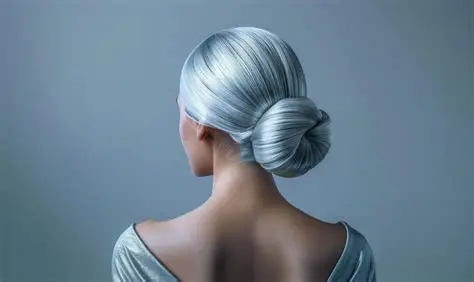
For those who love doing their own hair or for professional stylists perfecting their craft, here’s a step-by-step guide to a classic elegant chignon that works for almost any occasion:
{How I Can Be a Successful Hair Stylist – }
This method can be adapted easily—by loosening the bun, adding braids, or curling sections for a more romantic version.
In the digital era, the chignon continues to trend on social platforms like Instagram, TikTok, and Pinterest. Brides, stylists, and influencers frequently showcase creative variations, often combining traditional elegance with new-age artistry.
Hashtags like #ModernChignon, #BridalBun, and #LowChignon have millions of views. The reason? Viewers are drawn to its simplicity and the sense of sophistication it gives even in short tutorials.
Professional stylists use chignon videos to display their skills and attract new clients, while everyday users love recreating these looks because they’re achievable and versatile.
In essence, the chignon has become both a classic tradition and a modern digital trend—a rare combination in the beauty world.
Hairstyles aren’t just about aesthetics—they reflect mood, identity, and confidence. The chignon, in particular, evokes emotions of calmness, control, and elegance.
When a woman ties her hair into a neat bun, she unconsciously adopts a posture of poise and confidence. It’s a hairstyle that says: “I am ready, composed, and strong.”
In psychology, neat and structured hairstyles often correspond to a sense of inner order and emotional balance. That’s perhaps why many women choose a chignon before important events—it aligns the outer appearance with inner confidence.
Modern women embrace the chignon not just as a hairstyle but as an expression of empowerment. It reflects independence, grace, and the beauty of simplicity. Whether a CEO in a boardroom, a bride on her wedding day, or an artist performing on stage—the chignon adapts, empowers, and enhances.
In today’s culture, where self-expression is key, the chignon remains a silent yet powerful statement: you don’t need to follow trends to be beautiful—true elegance is eternal.
From its ancient Greek roots to the modern runways of Paris and New York, the chignon has proven that true beauty is timeless. It continues to evolve, but its heart remains the same—pure sophistication and effortless grace.
As a hairstylist, mastering the chignon means more than just learning a technique. It’s about understanding the language of beauty—how hair can express personality, emotion, and identity.
So whether it’s sleek and modern or soft and romantic, remember:The chignon is not just a hairstyle—it’s a legacy of eleganc
In a world where fashion trends change overnight, the chignon represents something deeper—a return to authenticity. Modern women seek styles that don’t just look beautiful but also feel natural and true to who they are.
The chignon embodies this philosophy. It doesn’t need exaggeration or complexity to stand out; instead, its power lies in grace through simplicity.
True elegance today is about confidence, balance, and self-expression. A well-styled chignon reflects all three:
From brides to businesswomen, influencers to artists, the chignon connects generations of women who share one thing in common — the desire to look elegant without losing their authenticity.
{Chignon for Young Girls: Elegance with a Touch of Innocence }
Interestingly, variations of the chignon exist across many cultures, each adding its own symbolism and charm.
Each culture sees the chignon not only as a hairstyle but as a form of art and identity, blending tradition with personality.
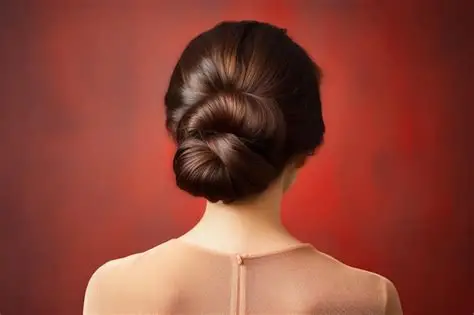
As a hairstylist, mastering the chignon is like mastering the art of timeless beauty. Here are some expert tips that elevate an ordinary chignon to perfection:
These techniques reflect not just skill but artistry, showing how much emotion and attention a stylist puts into each hairstyle.
Which Chignon Styles Suit an Oval Face?}
Hair has always been more than just beauty — it’s identity, energy, and transformation.
When someone changes their hairstyle, it often mirrors a change in their life or mood.
The chignon, with its neat and composed form, often represents new beginnings and clarity. Many women choose it when they want to feel renewed, calm, or in control again.
It’s a hairstyle that carries emotional depth — it helps you center yourself both inside and out.
That’s why in film and fashion, the chignon often marks a turning point: when the character finds her strength or rediscovers her confidence. The same happens in real life — the moment a stylist finishes the chignon, many clients smile differently. They feel composed, radiant, and powerful.
While the chignon is often associated with formal events, it can easily become part of your daily style routine. Here are a few ways to give it a modern twist:
No matter the version, the key is comfort — it should feel effortless while looking refined.
Every hairstyle speaks a silent language.
The chignon says: “I’m composed. I know my worth. I don’t need to shout to be seen.”
It’s the hairstyle of queens, dancers, brides, and everyday women who carry dignity in their presence. Unlike flashy trends that fade quickly, the chignon remains powerful because it’s built on something eternal — self-respect.
When you wear a chignon, you don’t just look elegant; you feel elegant. It aligns your outer grace with your inner peace — and that’s what makes it a hairstyle that never fades.
The story of the chignon is the story of beauty itself — simple, timeless, and deeply human.
It has witnessed centuries of change yet remains untouched by time.
From royal portraits to modern fashion shoots, from wedding mornings to casual afternoons, the chignon continues to remind us that true elegance is not about being noticed, but about being remembered.
As hairstylists, when we create a chignon, we are not just styling hair — we are shaping confidence, preserving tradition, and expressing art through our hands.
So whether you are designing it for a bride, a model, or yourself, remember this truth:
The chignon is not only a hairstyle — it’s the art of eternal grace.