Chignon Hairstyles for Long Hair: A Complete Guide
When it comes to elegant and timeless hairstyles, the chignon remains one of the most sophisticated choices. For centuries, women have relied on this versatile updo to create a polished look suitable for formal events, weddings, or even daily wear with a modern twist. Long hair, in particular, provides the perfect canvas for achieving beautiful chignons, as the length and volume allow for more creativity, detail, and styling options.
In this article, we will explore the history, techniques, variations, step-by-step styling methods, tools required, and tips to perfect a chignon for long hair.
1. What Is a Chignon?
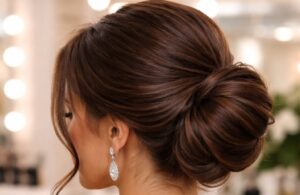
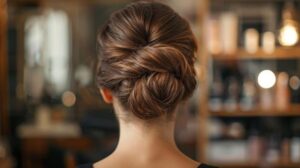
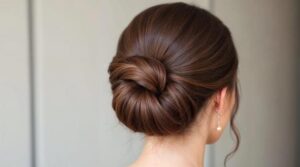
The word chignon comes from the French phrase “chignon du cou” which means “the nape of the neck.” Traditionally, the style refers to hair twisted into a knot or bun and secured at the back of the head, usually at the nape. Over time, hairstylists have developed countless variations—from sleek and minimalist designs to messy, romantic versions adorned with accessories.
2. Why Long Hair Is Perfect for Chignons
Long hair offers several advantages when creating a chignon:
Volume and fullness: The length provides natural thickness, making the bun look richer and more defined.
Styling flexibility: With longer strands, hairstylists can twist, braid, or curl sections before pinning them into the chignon.
Accessory use: Flowers, pearls, combs, and decorative pins can be added without overwhelming the overall style.
Endless variations: From classic French chignons to bohemian braided buns, long hair can adapt to all versions.
Fresh flowers for outdoor weddings or romantic vibes.
Golden combs or jeweled clips for evening elegance.
Scarves or ribbons for casual, playful styles.
9. Chignon vs. Other Updos
While buns and ponytails are common, the chignon stands out because:
It is more structured and polished than a casual bun.
It is more versatile—able to look formal or relaxed.
It allows creative variations that make it unique compared to simple updos.
11. Common Mistakes to Avoid When Creating a Chignon
Even though the chignon looks elegant and polished, many people face challenges when attempting it at home. Here are the most frequent mistakes and how to avoid them:
Using too few pins
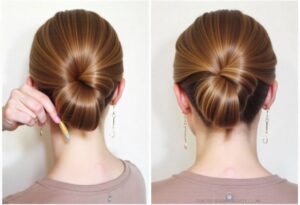
A common error is not securing the bun properly. Long hair is heavy, so you need multiple pins (often 10–20). Place them strategically in an “X” shape to prevent the bun from loosening.
Skipping hair preparation
Attempting a chignon on freshly washed, silky hair makes it slippery. Always add some texture with dry shampoo, mousse, or light backcombing before styling.
Pulling hair too tightly
A very tight chignon may cause scalp tension and headaches. Instead, keep it secure but slightly relaxed.
Not balancing proportions
If your bun is too big or placed too high, it can look awkward. Always check the balance in a mirror from multiple angles.
Overloading with product Too much hairspray or gel can make the hair stiff and unnatural. The best chignons look polished yet soft
12. Matching the Chignon to Your Face Shape
Different face shapes benefit from different chignon styles:
Accessories can turn a simple bun into a statement hairstyle:
Hair combs with pearls or crystals for weddings and evening parties.
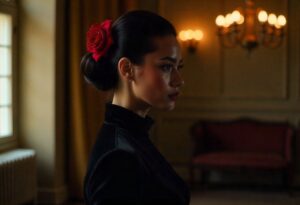
Fresh flowers (roses, orchids, baby’s breath) for a romantic, natural look.
Golden or silver pins for luxury and sophistication.
Scarves and ribbons for playful or retro styles.
Hair chains and jewelry for a modern, trendy touch.
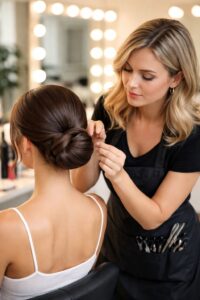
17. Professional Tips from Hairstylists
Always cross bobby pins for stronger hold.
Use a mirror check from the front, side, and back before finalizing.
For all-day events, keep extra pins and a travel-size hairspray in your bag.
If your hair is very heavy, ask a hairstylist to incorporate padding to avoid discomfort.
Experiment with different placements—a high chignon gives drama, a low chignon gives sophistication.
18. Chignon Through History and Fashion
The chignon is not just a hairstyle—it is a part of history and culture:
Ancient Greece & Rome: Women wore buns at the nape decorated with ribbons.
19th Century Europe: Victorian women popularized sleek, elegant chignons.
1920s–1960s: Hollywood actresses like Audrey Hepburn made the chignon iconic.
Modern Era: Today’s chignons are more versatile, ranging from casual messy buns to extravagant bridal designs.
19. Chignon vs. Bun: What’s the Difference?
While the terms are often used interchangeably, they are not exactly the same:
A bun can be placed anywhere (top, middle, low) and is usually casual.
A chignon is traditionally low, near the nape of the neck, and is considered more elegant.
20. Final Words
The chignon is a timeless hairstyle that continues to inspire hairstylists and women worldwide. For long-haired individuals, it offers endless opportunities for creativity and elegance. From a simple sleek bun for work to a glamorous braided chignon for weddings, this hairstyle adapts to every situation.
With the right techniques, accessories, and attention to detail, anyone can master the art of the chignon and enjoy a look that is both classic and modern.