

Related articles
Read more
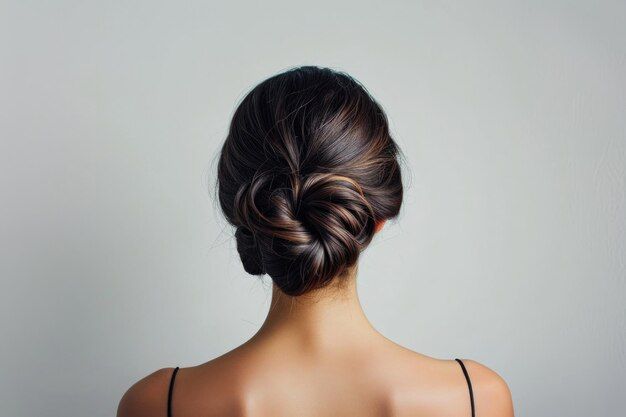
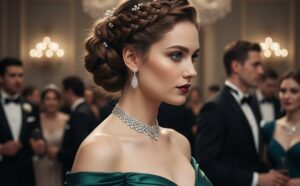
The chignon is more than just a hairstyle—it’s a statement of grace, sophistication, and timeless beauty. Originating from the French phrase “chignon du cou” (meaning “nape of the neck”), this elegant updo has become an essential technique in the world of hairstyling. From royal weddings to red carpet events, the chignon remains a symbol of class and artistry. For hairstylists, mastering this technique is not only about creating a beautiful bun but also about understanding form, structure, and the unique personality behind each client.
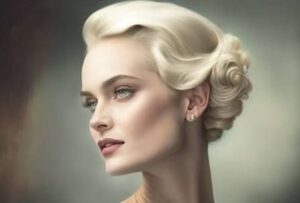
{Elegant Low Chignon Hair Styles That Never Go Out of Style}
The chignon’s roots can be traced back to ancient Greece, where women wore their hair in low knots adorned with ribbons and golden accessories. Over centuries, this style evolved through cultural influences—from Victorian-era refinement to modern minimalist aesthetics.
For a professional hairstylist, the chignon is not just another updo—it’s a foundation of hairstyling mastery. Learning to craft the perfect chignon helps stylists refine their sense of proportion, volume, and balance.
Here’s why it’s a crucial skill:
Creating a flawless chignon requires technique, patience, and an eye for detail. Every stylist develops their own approach, but the foundation steps remain similar.
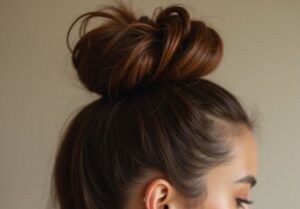
{How to Achieve Volume with a Top Knot Bun}
Divide the hair into three sections: two front parts and one large back section. This allows better control and balance.
There isn’t just one type of chignon. Each variation tells a different story, matching personality, occasion, and fashion trends.
Each type requires a stylist’s adaptability and creativity to bring out the best in a client’s facial structure and hair type.
A great chignon starts with the right tools and products.
Professional hairstylists also use setting sprays and finishing glosses to ensure the chignon lasts all day and photographs beautifully.
While technique is vital, creativity turns a simple bun into a masterpiece. Each chignon is an expression of the stylist’s artistic vision and understanding of proportion, color, and movement. A stylist who can combine elegance with innovation—perhaps by mixing modern braiding with classic structure—creates a unique identity that clients remember and admire.
Creativity also means adapting the chignon to the client’s unique features. For example:
In the world of weddings and fashion shows, the chignon continues to dominate. Bridal chignons can range from simple and graceful to lavish and intricate, depending on the gown and theme.
In bridal styling:
In fashion:
Designers love chignons for runways because they keep the focus on the clothes while adding a touch of polish and sophistication to the model’s overall appearance.
Even experienced stylists can make small mistakes that affect the final look. Some common issues include:
Solution:
Always plan the style based on the client’s hair type, texture, and event. Balance the chignon’s volume and ensure it complements the person’s natural beauty.
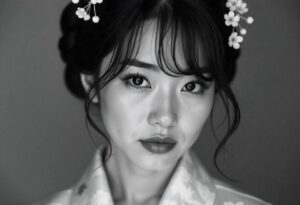
{How I Can Be a Successful Hair Stylist}
The chignon is beloved by clients because it offers:
The chignon remains one of the most iconic and essential hairstyles in the beauty industry. It teaches patience, precision, and artistic expression—qualities that define a true hairstylist. Every twist, pin, and strand tells a story of balance between classic elegance and modern creativity.
For hairstylists, mastering the chignon is not just about technique—it’s about embracing the art of timeless beauty and making every client feel effortlessly radiant.
A chignon is not just a hairstyle — it’s a shared experience between the stylist and the client. Each chignon tells a story: a bride on her wedding day, a woman attending a milestone event, or someone simply seeking confidence through beauty.
When a hairstylist begins creating a chignon, they are not only shaping hair but also shaping emotion. The gentle pulling, the soft twists, and the final reveal in the mirror often bring a smile — or even tears of joy.
As hairstylists, we often become artists and listeners at the same time. The client’s personality, mood, and expectations all influence the result. Some clients prefer a refined, structured bun that reflects strength and discipline, while others love a loose, soft chignon that expresses freedom and romance. Understanding these subtleties is what transforms a good stylist into a true artist.

Every chignon reflects individuality. Just as painters use color and texture to express feelings, hairstylists use hair volume, balance, and movement to convey beauty and identity.
For clients, wearing a chignon can feel like stepping into a more confident version of themselves. For stylists, it’s a way to turn a simple moment into a lasting memory.
Mastering the art of the chignon doesn’t happen overnight. It takes years of observation, practice, and experimentation. The best hairstylists are those who never stop learning — who study face shapes, hair textures, and new techniques to stay ahead of trends.
In professional salons, chignon training often includes:
Each practice session refines control and sensitivity, allowing stylists to create elegant results faster and more confidently.
What makes the chignon so fascinating is its cultural flexibility. Across the world, this simple bun takes on many beautiful variations:
Each culture adds its own soul and symbolism, reminding us that hairstyling is a universal art — one that transcends trends, languages, and borders.
In today’s competitive beauty industry, having a signature skill can set a hairstylist apart — and the chignon is the perfect signature. Clients often remember a stylist who can create a clean, elegant, and long-lasting updo. Photos from weddings, fashion shoots, or special events serve as living portfolios of the stylist’s expertise.
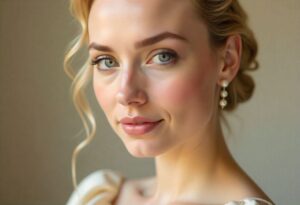
{The Timeless Elegance of the Chignon: A Hairstyle That Never Fade}
Stylists who master the chignon often gain a loyal clientele because:
Social media has also made the chignon more popular than ever. Short video tutorials, before-and-after shots, and bridal transformations all showcase the artistry behind every twist and pin.
Clients often ask how to keep their chignon flawless for hours. A professional stylist knows that durability comes from technique and product balance.
Here are some pro tips:
A well-crafted chignon can stay elegant from morning until night, even through dancing, photos, and celebrations.
Even in 2026, when hairstyling trends evolve rapidly, the chignon continues to reinvent itself. Modern stylists are blending traditional techniques with contemporary aesthetics — using metallic accessories, asymmetric buns, or textured finishes inspired by fashion shows.
Digital education, online masterclasses, and hairstyling workshops also allow young artists worldwide to learn advanced chignon techniques and reinterpret them creatively.
In the future, we can expect more sustainable approaches too:
The chignon’s true beauty lies in its adaptability — it evolves with fashion yet never loses its timeless soul.
When a hairstylist creates a chignon, it’s like painting with strands of silk. Every motion — the twist, the pin, the final touch — carries both technique and emotion. The client doesn’t just leave with a hairstyle; they leave with a sense of confidence, harmony, and grace.
A perfect chignon captures the essence of what hairstyling truly is: an art that connects beauty, skill, and emotion.
It’s a small masterpiece crafted by human hands, yet it holds the power to transform how someone feels about themselves.
{Chignon Hairstyles: From Classic Beauty to Modern}
To master the chignon is to understand the language of elegance. It teaches balance between discipline and freedom, between tradition and creativity. For hairstylists, it’s not only a technical ability — it’s a celebration of artistry.
The chignon proves that beauty doesn’t always shout — sometimes, it whispers.
And in that quiet sophistication, the true magic of hairstyling is found.